I spent an afternoon inside Kids Planner Studio building planners the way an Etsy seller would, and I came away impressed by how much of the work is handled for you. This Kids Planner Studio review covers the system, the modules, the pricing, and who it serves.
Every printable seller hits the same wall. You have a great idea for a kids planner, but turning it into a finished product means starting from scratch each time, choosing layouts, picking colors, adding illustrations, and keeping everything consistent. That process eats hours and drains momentum before the first sale.

Kids Planner Studio attacks that problem with a modular AI creation system. Instead of a folder of static templates, you get a complete workflow. Forty-plus planner categories, twenty-five design styles, twenty universal themes, and a commercial license all arrive as one package. The system is a production engine, not a file library. This Kids Planner Studio review covers the modules, the pricing, and who the system serves.
The system is built around three libraries and a production workflow. The Category Library covers the planner types buyers actually search for. The Design DNA Library transforms any planner into a different visual style. The Universal Theme Library personalizes planners for different interests and age groups.
Kids Planner Studio Review: The Essentials at a Glance

| The Product Creator | Sam Arief / Ustudeo |
| Product Name | Kids Planner Studio |
| Front-End Price | $17 (one-time) |
| Product Official Sale Page | Visit Front-end Salespage |
| Bonus | 3 bonuses included ($85 value) |
| Niche | Kids printables, Etsy, KDP |
| Guarantee | Marketplace-backed purchase protection |
Understanding the Creation System
Kids Planner Studio is an AI-powered system for creating professional kids printable planners. The core idea is modular. Instead of rebuilding a planner from scratch, you combine a category, a design style, and a theme to produce a finished product.


The system works in three layers. The Planner Blueprint creates the structure and layouts. The Design DNA applies a consistent visual language. The Universal Theme adds themed illustrations and decorations. Together they turn a blank page into a ready-to-sell planner in minutes.
The Team Behind the System
The product comes from Sam Arief and the ustudeo team. The studio produces educational and printable products for creators, teachers, and parents, and their name is attached to a growing line of digital product systems.
The launch runs through WarriorPlus with a 50% commission across the funnel. The vendor supports affiliates with email swipes, a JV contest, and an affiliate bonus stack, which points to an organized team behind the product.
Kids Planner Studio Review: What’s in the Box
The Category Library
The system includes 40-plus best-selling planner categories. Daily planners, weekly planners, homework planners, reading logs, chore charts, reward charts, goal planners, habit trackers, meal planners, morning routines, bedtime routines, and emotion journals are all covered. Each category arrives with the structure a working planner needs, so the seller does not have to invent page arrangements.


Each category comes with the structure a working planner needs. The layouts are pre-designed, so the seller does not have to invent page arrangements or worry about what belongs on each page. The category library is the product direction engine of the whole system.
The Design DNA Library
Twenty-five professionally crafted design collections transform every planner into a different visual style. Each Design DNA includes its own color palette, illustration style, decorative elements, borders, icons, and visual language for consistent planner designs. Cute Pastel, Boho Kids, Soft Watercolor, Kawaii, Scandinavian, Minimal Modern, Montessori, Rainbow Dreams, Space Adventure, Safari Friends, Ocean World, Dinosaur Adventure, Princess Fantasy, Woodland Forest, Farm Life, Jungle Explorer, Magical Unicorn, Construction Zone, Sports Fun, Retro Pop, Cartoon Doodle, Cozy Autumn, Christmas Magic, Spring Garden, and Summer Adventure.
The range matters for two reasons. First, it lets a seller match a style to a buyer group, a Montessori shop wants a different look than a Rainbow Dreams shop. Second, it lets the same seller build multiple branded lines from one system, which multiplies the catalog without multiplying the work.
The Universal Theme Library
Twenty ready-to-use universal themes let sellers personalize any planner for different interests and age groups. The theme layer works across every category, so a themed planner family can be built from one system. Dinosaurs, Safari, Ocean, Space, Princess, Unicorn, Construction, Farm, Sports, Fantasy, Halloween, Christmas, and Back to School are among the options.
The theme layer works across every category. A Dinosaur-themed daily planner, a Dinosaur-themed chore chart, and a Dinosaur-themed reading log can form a coordinated product family, which is exactly how successful Etsy shops build recognizable brands.
The Master Prompt Controller
The production workflow starts with a master prompt controller that keeps every generated planner consistent. It is the hub that directs the AI output across the whole system.
Without this piece, AI-generated printable work drifts. Characters change appearance between pages, colors shift, and the product loses the consistency buyers expect. The controller prevents that drift at the source.
The AI Planner Creation Workflow
A complete step-by-step process walks beginners from idea to finished planner. The workflow is designed so someone with no design skills can produce professional results.
GPT Image Optimized Prompts
The prompts are engineered for GPT Image generation. The language matches what the generator handles well, which means less fighting the tool and more usable output.
The Commercial License
The front-end includes a commercial license. Buyers can create, customize, publish, and sell unlimited printable planners on Etsy, their own websites, and other digital marketplaces. That license is what turns the system into a business.
The license also covers client work. A seller can produce custom planners for teachers, schools, or other businesses, which opens a service revenue path beyond direct product sales.
Working With the Planner System
Step 1: Pick a Category
Choose a planner type from the 40-plus category library, such as a daily planner or a chore chart. The category determines the structure and the pages that get generated.

Step 2: Apply a Design DNA
Select a visual style that fits the audience, from Cute Pastel to Space Adventure to Cozy Autumn. The style layer keeps the whole planner visually consistent.
Step 3: Add a Theme
Personalize the planner with a theme like Dinosaurs, Unicorn, or Christmas to target a specific interest. The theme works on top of any category and any style.
Step 4: Generate and Package
Run the master prompts, review the output, and package the planner for Etsy, KDP, or your own store. The workflow produces the interior pages, and the bonuses cover the listing and launch steps.

Kids Planner Studio Review: What I Found Inside
I went through Kids Planner Studio the way an Etsy seller would, starting with the category library and working through to a packaged product.


The first thing I checked was the Category Library. The 40-plus options cover the planners buyers actually search for, daily routines, homework, chores, rewards, habits, meals, and emotions. That breadth matters because a printable business lives on variety, and the categories give a seller a full catalog direction from day one.
I built a test planner using the Daily Planner category. The Design DNA I chose changed the entire look of the output, colors, borders, icons, and decorative elements all shifted to match the style. The consistency was impressive, because inconsistent styling is the fastest way to make printables look amateur.
I ran a second test with a different Design DNA on the same category. The result looked like a completely different product line, which is exactly the effect a seller wants when building a themed series. One category, multiple distinct visual identities.
The Universal Theme Library added the personalization layer. Applying a Dinosaur theme to the same planner produced a completely different product aimed at a different buyer. I could see how one category could become a series of themed listings.
The master prompt controller is the piece that holds the system together. It keeps the AI output aligned across generations, which solves the consistency problem that plagues most AI-generated printable work.
I also checked the commercial license terms carefully. The front-end includes rights to create, customize, publish, and sell unlimited planners on Etsy and other marketplaces. For a seller, that license is the difference between a hobby and a business.
I looked at the license language twice because this is where printable products usually get murky. The terms are clear about what is allowed, which is a relief compared to products that bury the limits in fine print.
The bonuses are practical rather than decorative. They cover packaging, pricing, bundling, and launching printable planners, which are exactly the steps where new sellers get stuck after creating their first product.
I timed my first complete run from start to finish. Between picking the category, applying the style, adding the theme, and generating the output, the whole thing took well under an hour. That speed is the real selling point for a seller who wants to test multiple products in a single sitting.
Kids Planner Studio Pricing
Front-End: $17
The front-end is Kids Planner Studio with the commercial license at $17. That includes the Category Library, the Design DNA Library, the Universal Theme Library, the master prompt controller, the AI workflow, and the GPT-optimized prompts.
At $17, the entry cost is low enough to test on a single product. One sold planner covers the price, and the commercial license means every sale after that is pure margin. Compared to the hours a seller would spend building even a handful of planners from scratch, the one-time cost is a fraction of the setup labor alone.
OTO 1: Kids Activity Studio at $37
The first upsell adds the Kids Activity Studio with an exclusive bonus and an upgrade to a PLR license. Activity pages expand the product range beyond planners, and the PLR license changes the resell economics for buyers who want to sell the content itself.
OTO 2: Kids Activity Studio Commercial at $27
This tier adds the Kids Activity Studio with a commercial license, covering activity page products for sale.
OTO 3: Printable Art Studio Bundle at $47
The Printable Art Studio Bundle ships with a PLR license, adding another printable product line to the catalog.
OTO 4: Nursery and Kids Design Bundle at $67
The Nursery and Kids Design Bundle includes a PLR license, expanding into nursery decor and kids design products.
OTO 5: Studio Design Bundle at $97
The Studio Design Bundle rounds out the funnel with a PLR license and the broadest design asset library.


Kids Planner Studio Review: How It Stacks Up
| Category | Kids Planner Studio | Static Template Packs | DIY Canva Creation | Generic AI Prompt Packs |
|---|---|---|---|---|
| Categories | 40+ planner types | 5-20 files | You design them | Unorganized |
| Design Styles | 25 Design DNA | 1-3 themes | Manual | Inconsistent |
| Themes | 20 universal | Few | Manual | Rare |
| Consistency | Master prompt controller | Fixed | Manual effort | Weak |
| Commercial License | Included | Varies | Yours | Often missing |
| Time to First Product | Minutes | Fast | Hours | Unpredictable |
| Best For | Building a printable business | One-off products | Designers | Experimenters |
The comparison shows where the system sits. Static template packs give you a few files with no customization. DIY Canva creation costs hours per product. Generic AI prompt packs produce inconsistent results.
Kids Planner Studio combines the catalog breadth, the design consistency, and the commercial license in one system. For a seller who wants to build a printable business rather than sell one-off files, that combination is the point.
The closest alternative is hiring a designer to build a branded planner line, which costs hundreds of dollars per collection and still leaves you dependent on the designer for every new product. The system replaces that dependency with a repeatable in-house workflow.
Who Gets the Most Out of This System
- Etsy sellers who want to build a kids printable catalog fast.
- Teachers and homeschool creators who need classroom planners.
- Printable business owners looking for a consistent production workflow.
- Parents creating personalized planners for their own kids.
- Beginners who want professional results without design software.
- Sellers who already use AI tools and want a structured system instead of random prompt experiments.
The Strong Points and the Trade-offs
What Works Well
- The 40-plus category library gives a full catalog direction immediately.
- The 25 Design DNA styles keep every product visually consistent.
- The Universal Theme Library multiplies every category into themed series.
- The master prompt controller solves the AI consistency problem.
- The commercial license turns the system into a real business.
- The bonuses cover the packaging and launching steps.
- The system works for direct sales, client work, and subscription-style product lines.
Things to Know Before You Buy
- The AI still needs your review and direction on the final output.
- The biggest return comes from sellers who commit to a production routine and a listing cadence.
Kids Planner Studio Review: The Bottom Line
Yes, Kids Planner Studio is worth the $17 entry price. The value is not a set of templates. It is the modular system that turns a category, a style, and a theme into a sale-ready planner in minutes.
The commercial license is the anchor. Unlimited creation and selling across Etsy and other marketplaces means the system pays for itself on the first product sold.
My recommendation is straightforward. If you sell kids printables or want to enter the market, this system is a smart buy. The front-end gives you the full production workflow, and the OTO stack expands the catalog as your business grows.
I would place the front-end value on the workflow rather than the template count. The modular combination of category, style, and theme is what makes the system repeatable. A seller can test a product idea in under an hour and decide whether it is worth a full listing, which is a real advantage in a market where speed matters.

What Arrives as Bonuses
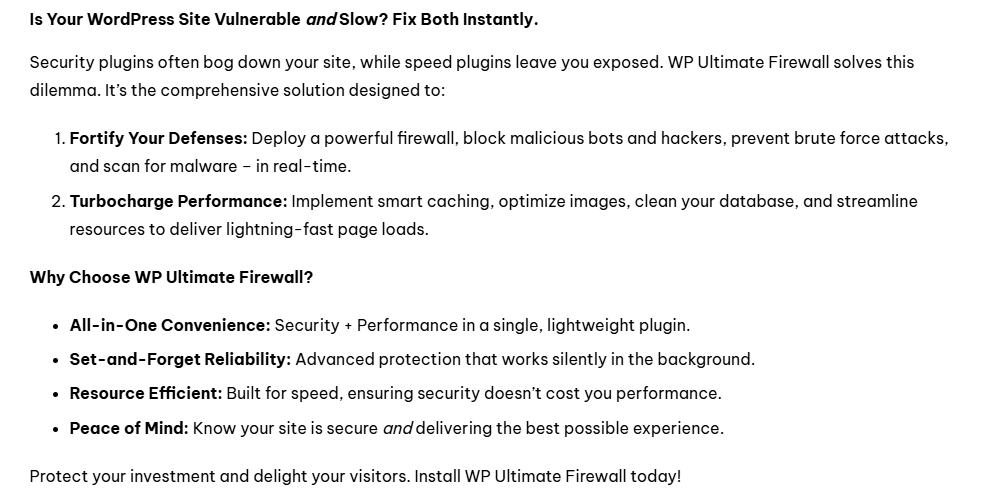
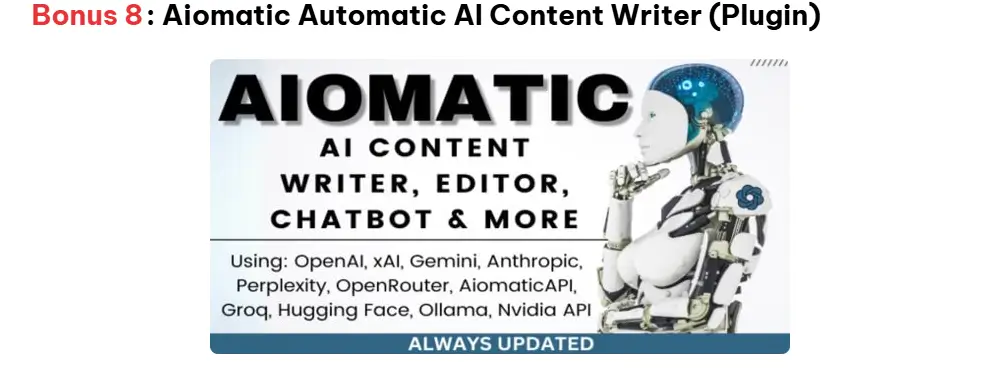
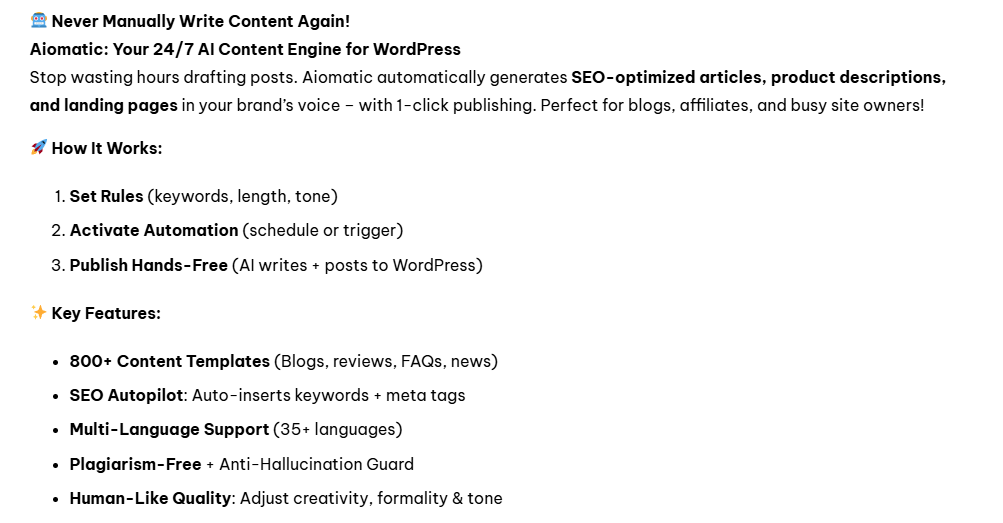
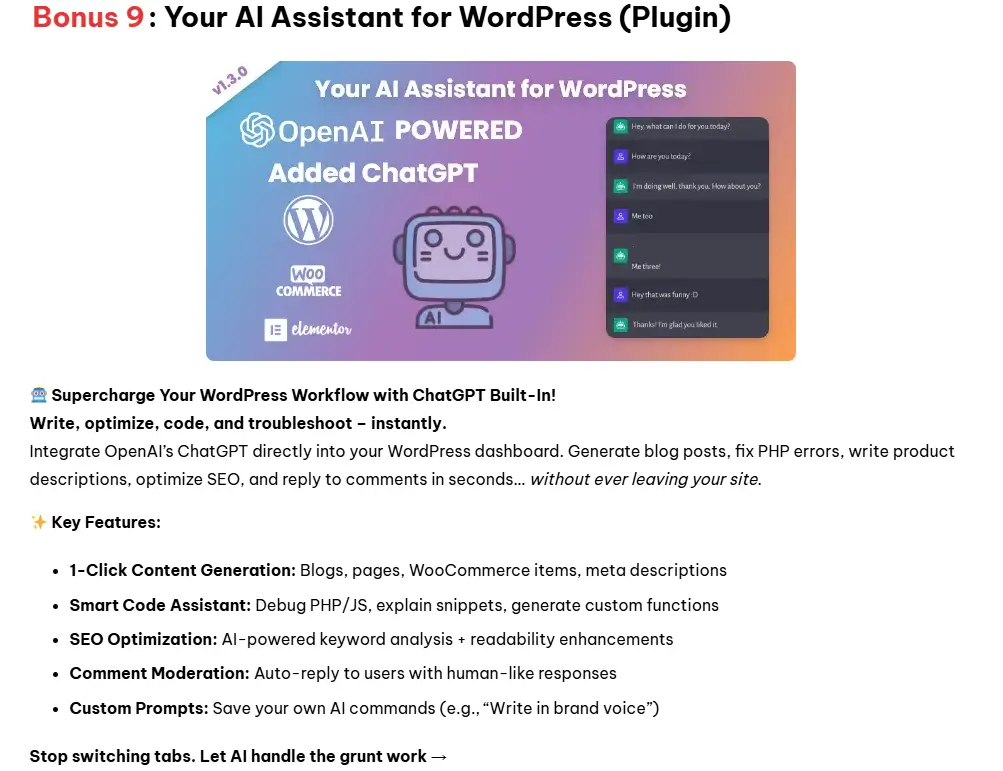
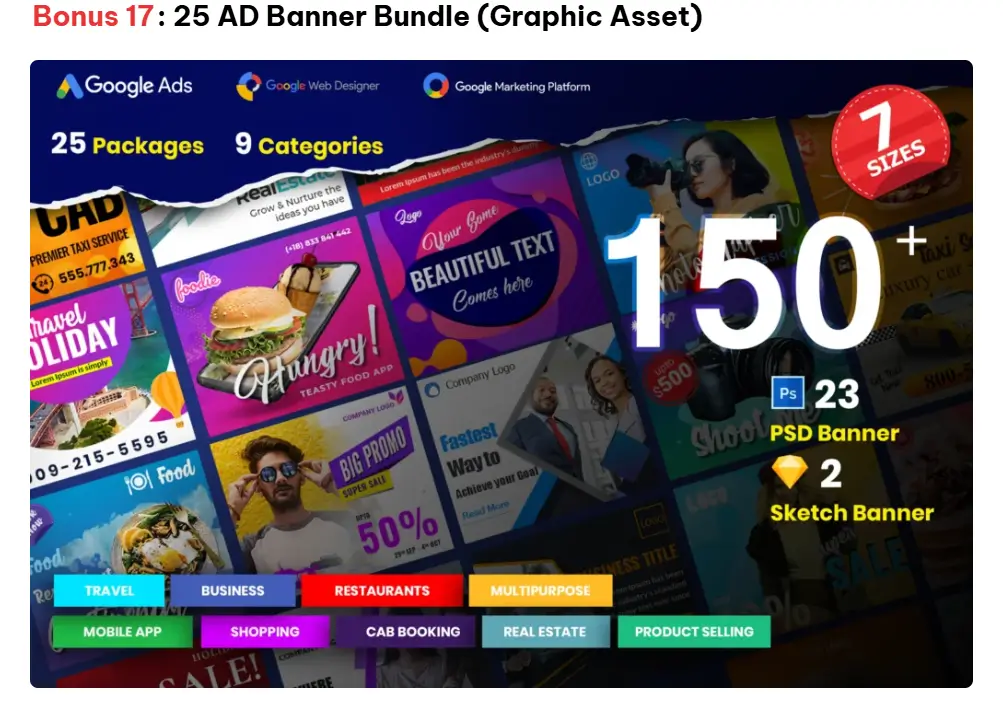
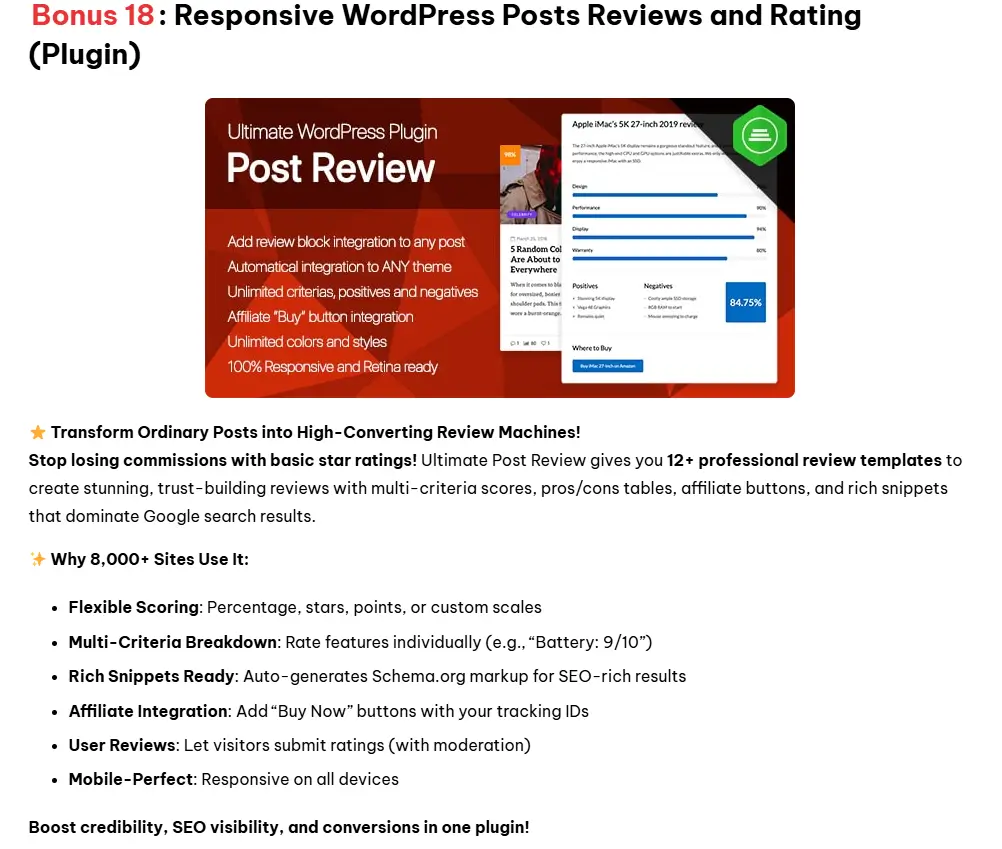
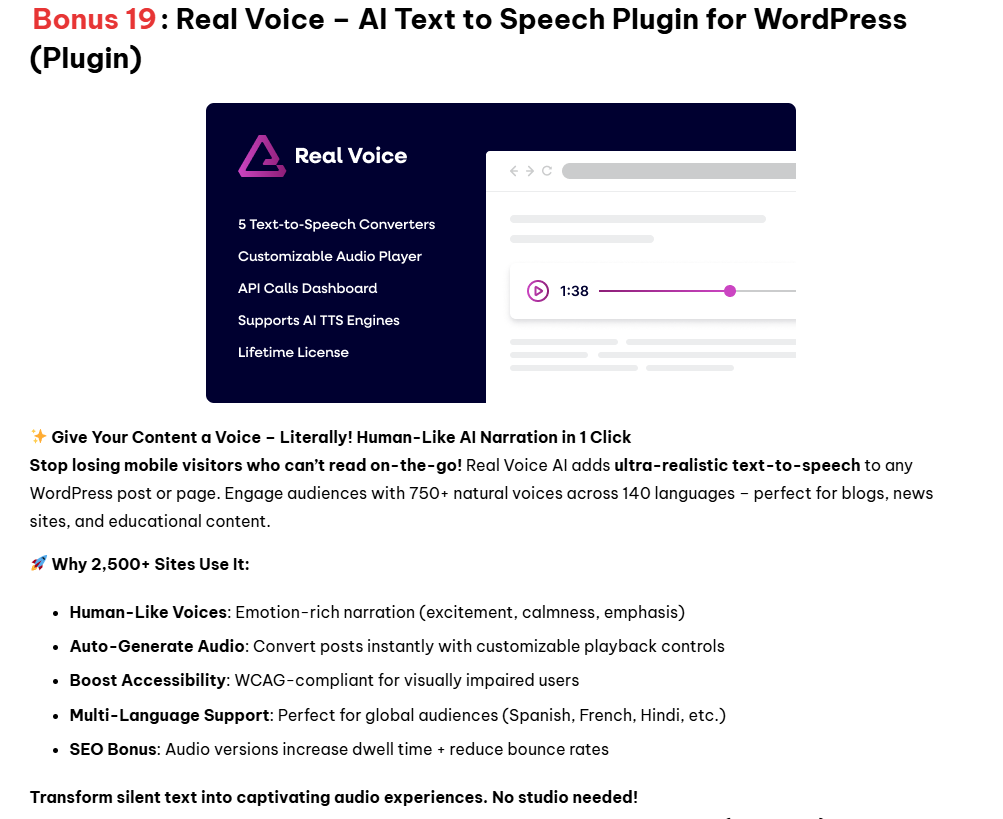
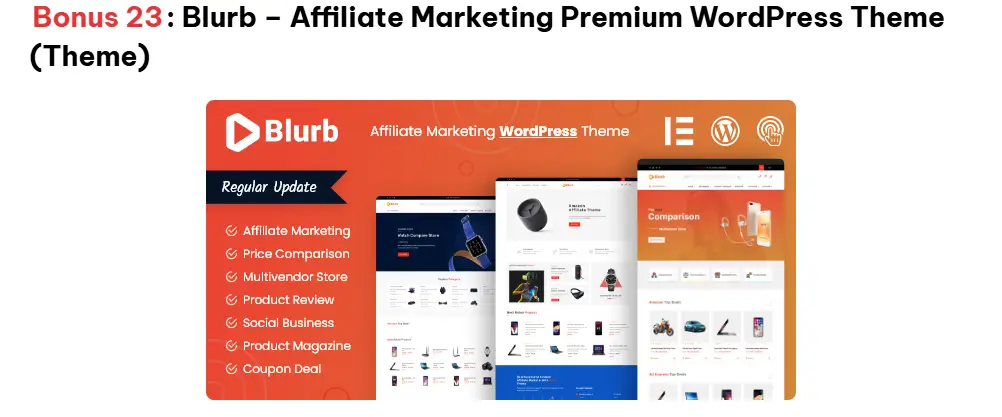
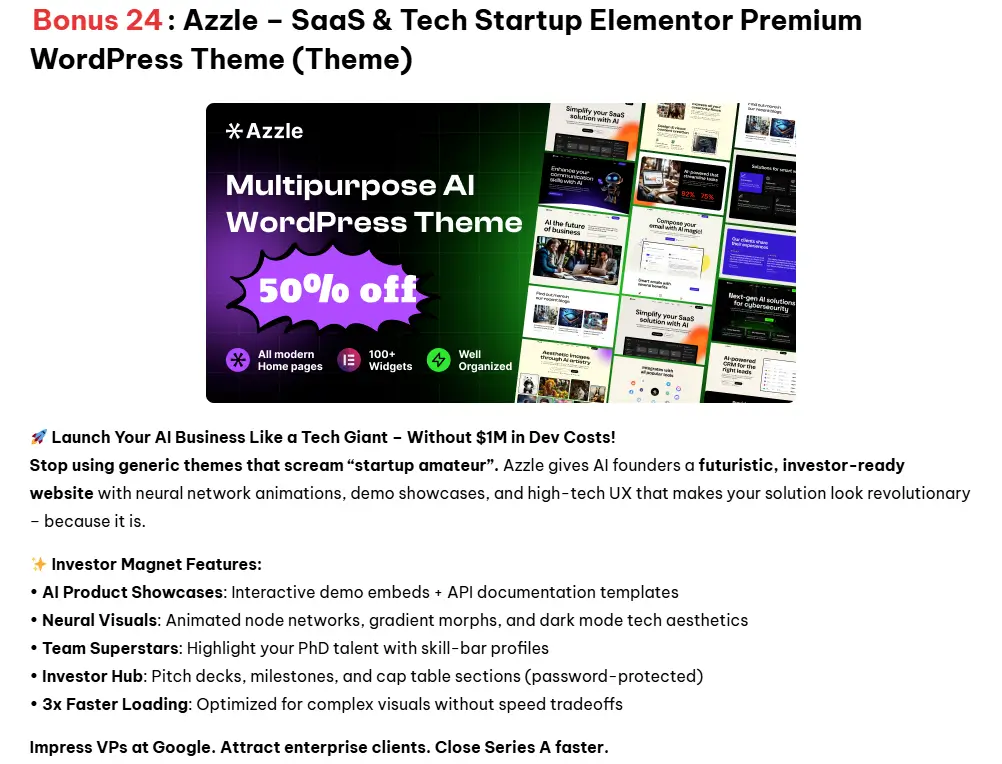
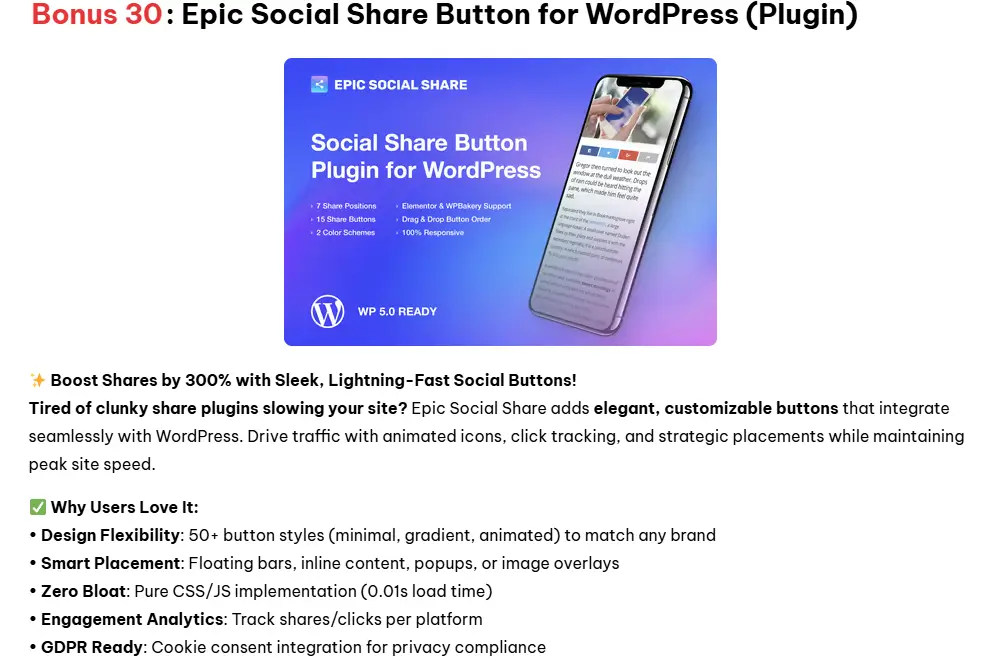
Kids Planner Studio BonusesAs a token of my gratitude for trusting my recommendation, I’m gifting you 30 exclusive bonuses to maximize your experience with this product. These bonuses are only available to you through any of the links on this page, no hidden fees, no catch, just pure added value to kickstart your journey. Each bonus is carefully curated to help you get the most out of your investment and hit the ground running. Scroll down to claim yours!




The Takeaway
Kids Planner Studio gives printable sellers a complete AI creation system, a 40-category library, 25 design styles, 20 themes, and a commercial license for $17. For an Etsy seller or a parent-creator, that is a full business toolkit at a test-friendly price. The system removes the design barrier, and the license removes the selling barrier.
The launch window is the time to test it. The front-end price is low, the bonuses are included, and the OTO stack is there if the catalog direction proves out. For anyone who has been circling the kids printable market, the entry cost is about the same as one listing fee and one afternoon of work.